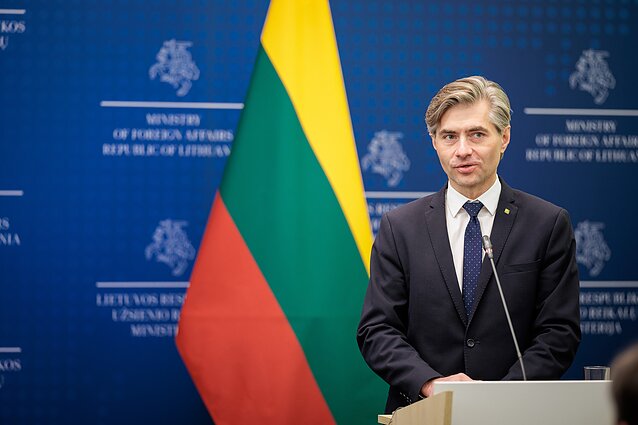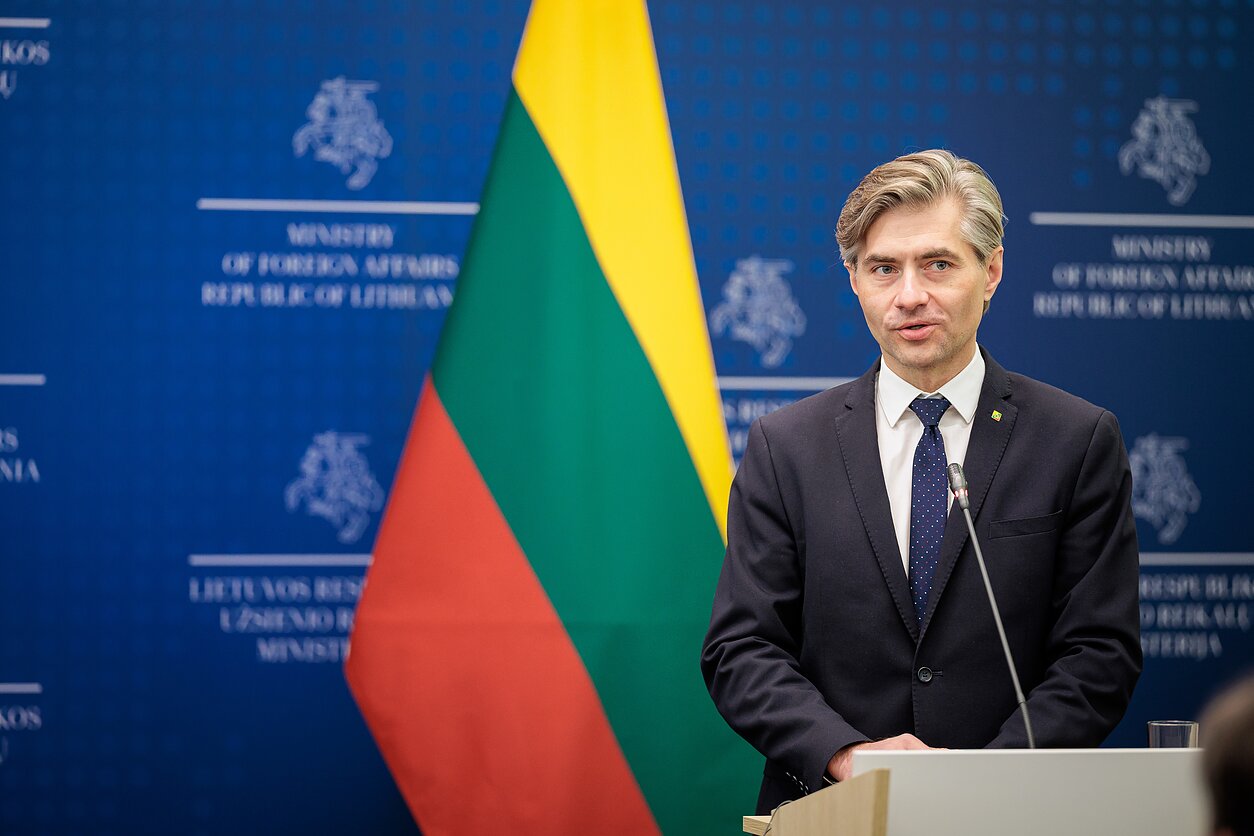
The European Union should concentrate on increasing pressure on the Kremlin rather than debating who should represent the bloc in possible negotiations with Russia, Lithuania’s Foreign Minister Kęstutis Budrys said on Thursday.
Speaking ahead of an informal meeting of EU foreign ministers in Cyprus, Budrys said the priority should be stronger sanctions and greater support for Ukraine.
“Now is not the time to be discussing who will take part in the negotiations,” he told reporters.
“We are not talking about names, we are not talking about seats at the table – but we do need to discuss what we are doing to apply additional pressure on Russia, and equally to provide more support to Ukraine so that it can withstand these attacks and move towards victory.”
Budrys said Lithuania's position was that the EU should define clearly what it wants to achieve from any talks with Russia before entering them.
"What do we want to negotiate – what are our first, second and third objectives? What hard tools will we have in our hands? Nobody expects this to be an easy walk or simply a debate where Putin needs to be persuaded by rhetorical means," he said.
New sanctions package
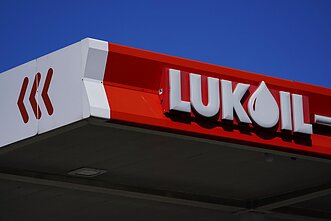
Budrys said EU member states should now focus on preparing the bloc’s 21st sanctions package against Russia. Lithuania wants the measures to include sanctions on the Russian state nuclear company Rosatom and energy giant Lukoil.
He also called for a full ban on maritime services linked to Russia and restrictions preventing Russian potash fertiliser exports to Europe.
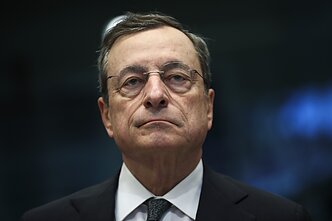
The Financial Times reported last week that EU member states are considering appointing former German Chancellor Angela Merkel as the bloc's envoy to Russia. Former European Central Bank president Mario Draghi and Finnish President Alexander Stubb have also been mentioned as candidates.
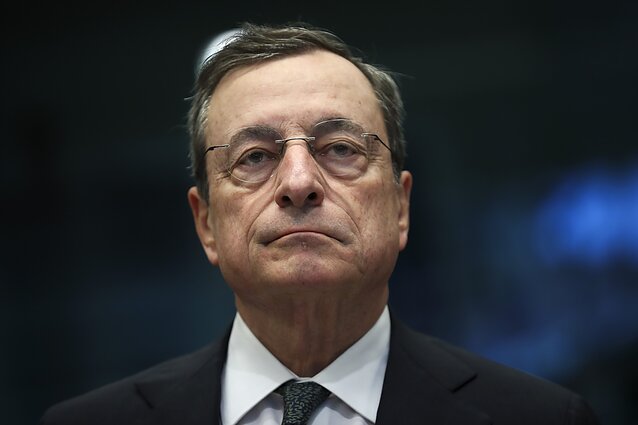
Meanwhile, Budrys called discussions over who should be the EU envoy inadequate for the current situation, arguing that they signal European Union weakness and could lead to unsuccessful negotiations from which Russia would emerge stronger.
Red lines
The foreign minister set out what he described as non-negotiable principles for any future negotiations: no questioning of the primacy of international law, no possibility of recognising occupied territories, and a clear commitment to preserving Ukraine's sovereignty.
"Ukraine itself must decide its own security and defence arrangements in the future. Ukraine's membership of international organisations – that is for Ukrainians themselves to resolve. And of course what is very important – the question of international accountability, which Lithuania has consistently raised: all those who contributed to the commission of war crimes, to the organisation and execution of the crime of aggression, must be held to account," Budrys said.
He also called on the EU to open all negotiating chapters in Ukraine's accession process this June.
"We do not have the right to wait any longer. We also need to agree on how we will proceed with long-term financial support for Ukraine, and it is equally important to increasingly involve Ukraine in the various decisions about how we strengthen our resilience along the eastern front line," he said.
Budrys argued that Europe needed to identify which threats it currently faces are existential and which are not.
"The existential threats are now on the eastern flank. That is why we must act immediately to strengthen it and deploy additional instruments, using financial means to deliver greater effectiveness to our resilience on the eastern flank," he said.
"In doing so, we must understand that we are building a future European architecture based on the principle of deterring Russia – not on the principle of integrating Russia into the system. We must grow stronger now, while we still have time, with Ukraine at the very core of that system," he added.
European Commission President Ursula von der Leyen visited Lithuania this week, meeting Baltic leaders amid a series of airspace incidents in the region. According to Lithuanian President Gitanas Nausėda, she signalled the Commission's readiness to accelerate initiatives including a European drone shield and the Eastern Flank Watch programme.
Updated: added potential EU envoy candidates and further comments from Budrys.

Newsletter
Every Friday morning.