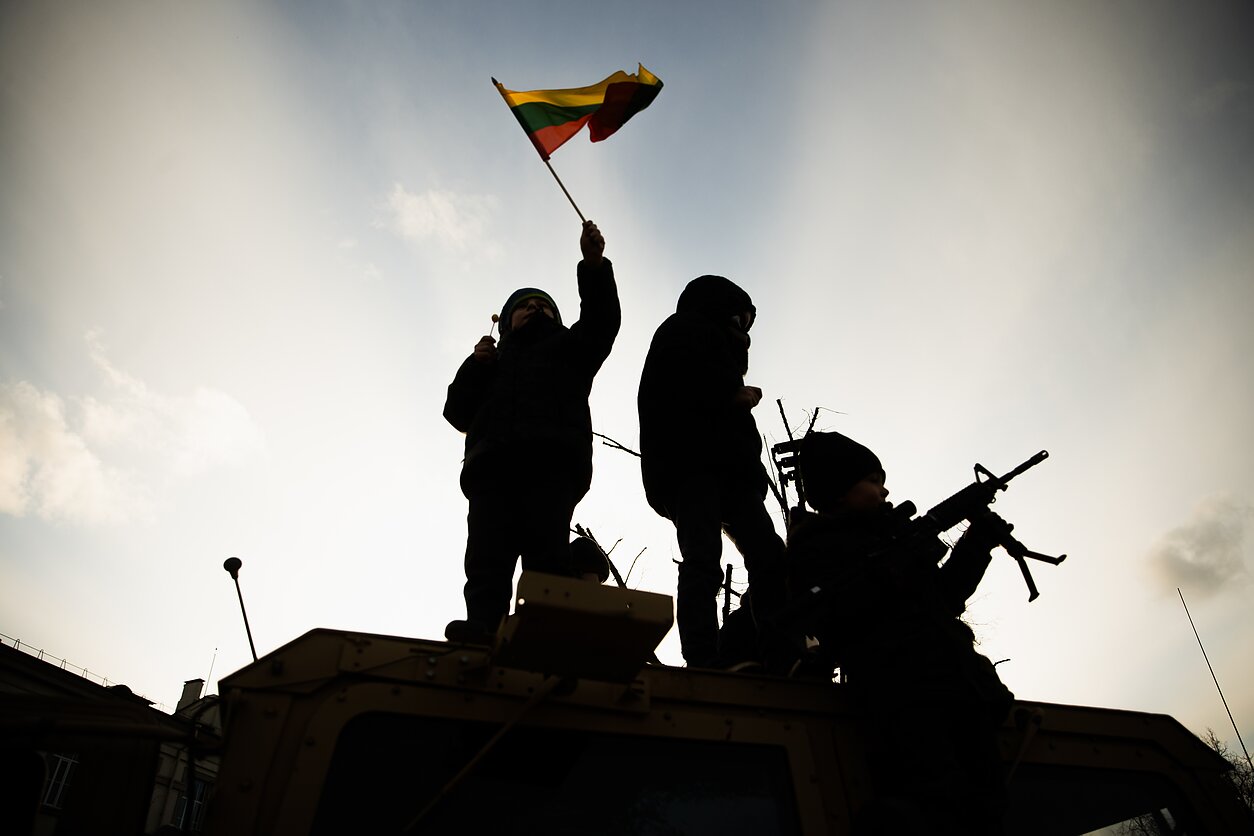
Lithuania is updating its national security strategy, warning that the country faces an existential threat and that Russia could be capable of waging war against NATO by the end of the decade.
The revised strategy states that Lithuania’s security environment has deteriorated sharply and emphasises that the country’s main pillars of defence are its military, societal resilience and allies. It underscores the need to prepare the state and society for defence during wartime, officials said.
Russia’s full-scale invasion of Ukraine four years ago reinforced assessments already included in Lithuania’s previous security strategy, which was approved just two months before the invasion, Vice Defense Minister Karolis Aleksa said.
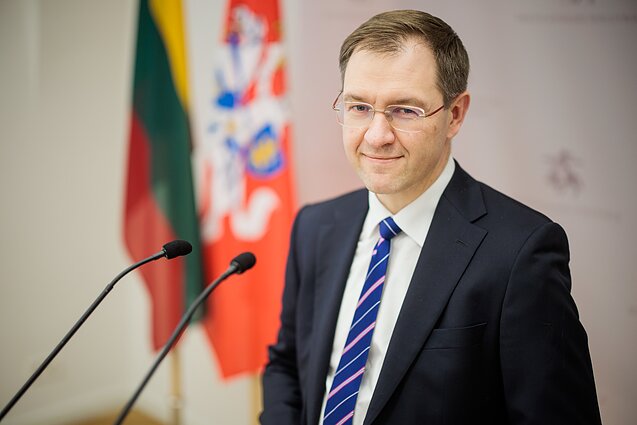
“The invasion only highlighted what had already been identified. The strategy could have been reviewed at that time as well,” Aleksa said.
Former and current lawmakers said the earlier document did not lose relevance, noting that it placed significant emphasis on comprehensive defence, including the establishment of territorial defence units and the strengthening of the Lithuanian Riflemen’s Union.
However, the updated strategy differs by explicitly identifying an existential threat to the state. Aleksa said the assessment reflects Russia’s continued willingness to use military force and its ability to rebuild combat capabilities despite the war in Ukraine.
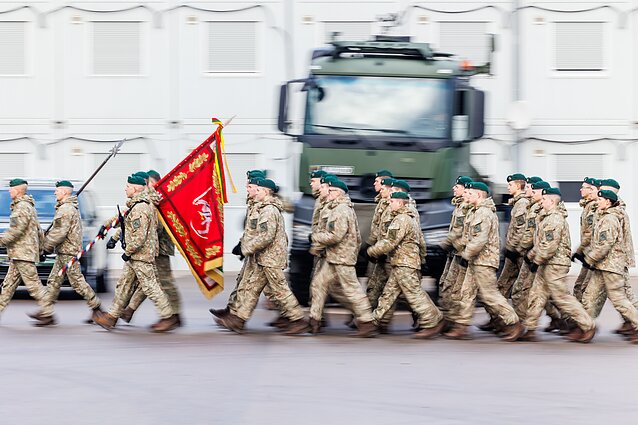
“Looking toward 2030, the probability of a military conflict has the potential to increase,” he said.
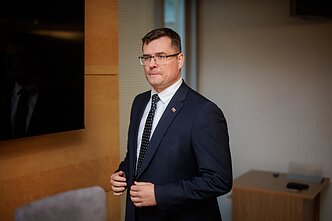
Laurynas Kasčiūnas, a member of parliament’s National Security and Defence Committee and former defence minister, said some Western experts and intelligence analysts believe Russia could be ready even sooner, noting that Moscow is already stockpiling military equipment.
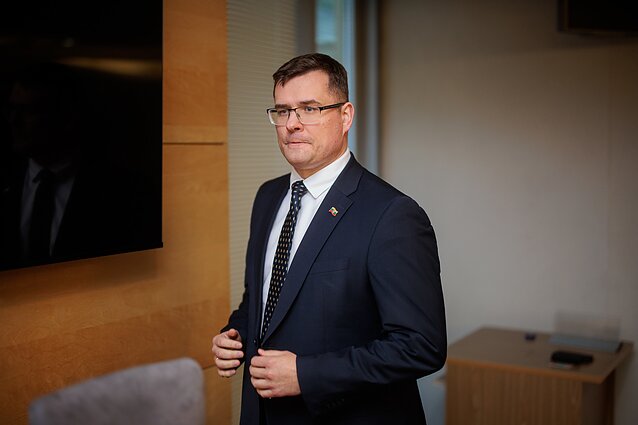
The strategy emphasises armed defence, the creation of a military division and strengthening national resilience, while also highlighting the importance of allied deterrence, particularly the presence of US forces in the region.
Former committee chairman Giedrimas Jeglinskas said the document places too much focus on building a division without sufficiently addressing broader issues such as air defence, Belarus and relations with the United States.
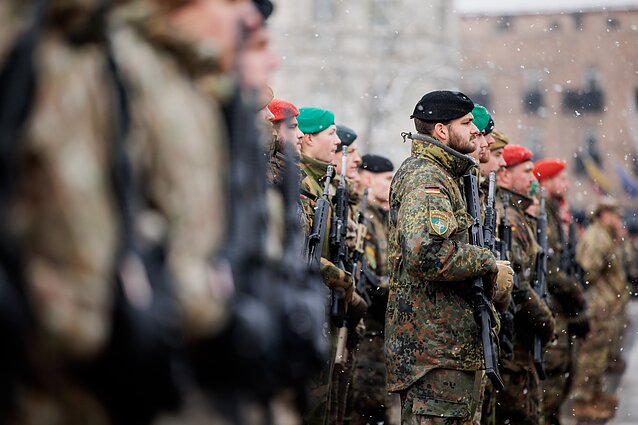
Aleksa said the strategy clearly identifies US military presence as a fundamental cornerstone of Lithuania’s security, even as Washington has called on Europe to take greater responsibility for its own defence, indicating intentions to scale back its military presence on the continent.
Security experts said the strategy serves as a message both to adversaries and allies but warned that its success will depend on implementation and funding.
“Priorities without financing are hallucinations – they exist, but they are not realised,” security analyst Giedrius Česnakas said.
The updated strategy states that defence spending should reach between 5% and 6% of GDP. Lithuania’s defence budget is expected to exceed 5% next year.
Kasčiūnas said current funding levels allow progress toward that goal, provided the money is spent effectively.
The revised national security strategy will be reviewed by the State Defence Council and must be approved by parliament.

Newsletter
Every Friday morning.